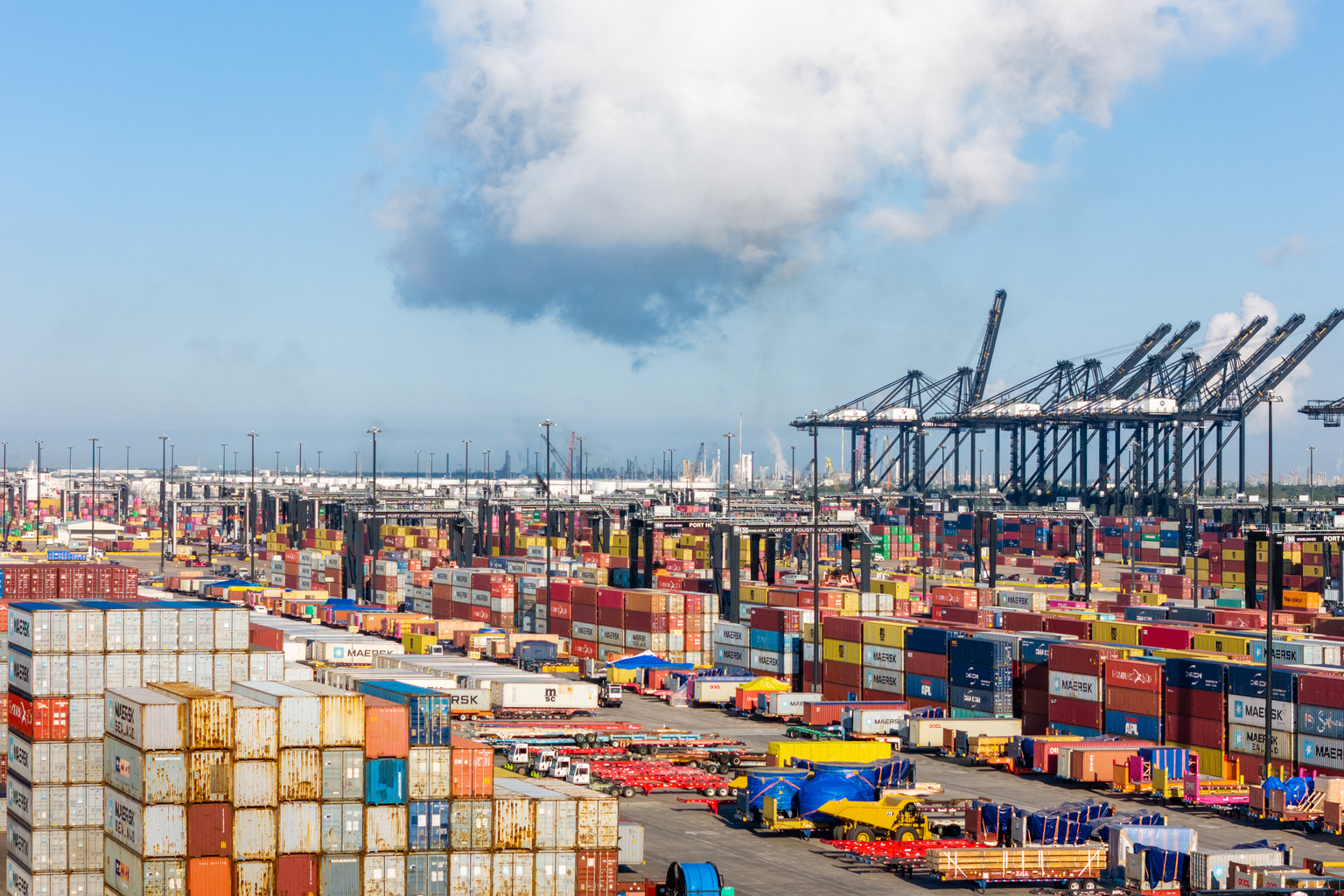
Thousands of dockworkers at ports on the East and Gulf coasts from Maine to Texas are
preparing to go on strike at midnight as negotiations with port employers for a new labor contract have reached an impasse. The work stoppage, which is all but certain, would be the first East Coast port strike since 1977.
What went wrong: "The United States Maritime Alliance (USMX) refuses to address a half-century of wage subjugation where ocean carriers' profits skyrocketed from millions to mega-billion dollars, while ILA longshore wages remained flat," said the International Longshoremen's Association. USMX represents port employers including ZIM (
ZIM) and Maersk (
OTCPK:AMKBY). Union workers have been demanding better wages, automation protections and benefits, with their current contract set to expire today.
Bigger picture: The work stoppage is expected to impact more than
50% of U.S. imports, while diverted shipments will likely strain West Coast ports ahead of the busy holiday season. The strike is estimated to reduce U.S. economic activity by between $4.5B and $7.5B for every week it continues, according to Oxford Economics. Every week that cargo is stalled and backlogs created could take
as long as a month to clear because West Coast ports are already operating at near capacity.
What next: Retailers, automakers, and other businesses face higher freight rates as they make contingency plans for inventory amid mounting West Coast port traffic. J.P. Morgan doesn't see the port strike lasting longer than a week, but warned that the consumers could face higher prices or empty shelves for certain products. Take a look at the
stocks and sectors that are at risk from the port strike, and don't forget to
take the WSB survey. (
47 comments)